Here are ten places and activities to consider. Check opening times and book visits where needed.
Rocamadour
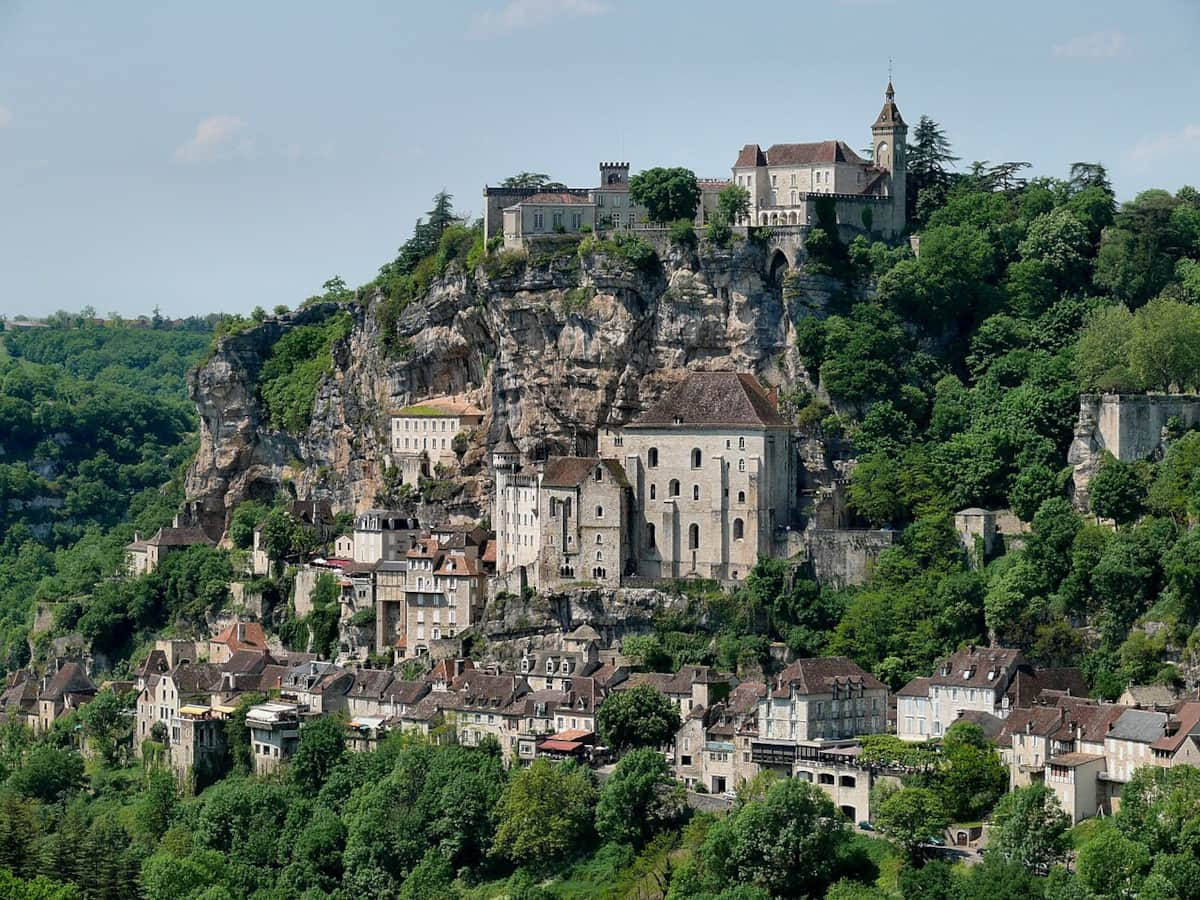
Rocamadour rises above the Alzou valley, with buildings set into the cliff.
The village’s religious buildings form part of the UNESCO-listed Routes of Santiago de Compostela in France. At the heart of the sanctuary is the revered Black Madonna, housed within the Chapelle Notre-Dame.
Climb the Grand Escalier to explore the sanctuary, chapels and basilica before continuing towards the château ramparts for sweeping views over the valley.
Pech Merle Cave
Located near the village of Cabrerets, Pech Merle is renowned for its original prehistoric cave paintings, some of which date back tens of thousands of years.
Images of horses, mammoths, bison and human figures offer a fascinating glimpse into the lives and imaginations of prehistoric people. The cave also contains natural footprints, stalactites, stalagmites and remarkable geological formations.
Visitor numbers are carefully controlled to protect this fragile environment, making advance booking highly advisable.
Saint-Cirq-Lapopie
Saint-Cirq-Lapopie stands above the River Lot.
Its stone houses, shops and galleries line narrow streets.
The River Lot
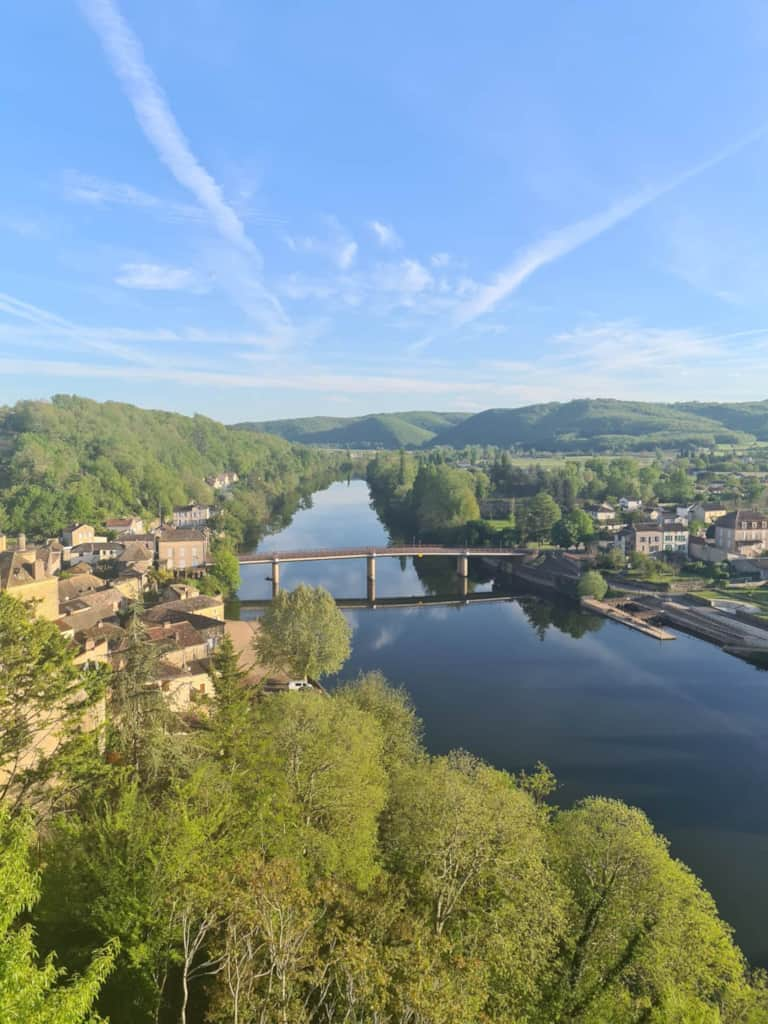
Flowing through the heart of the region, the River Lot shapes much of its scenery, history and character. Its calm waters wind between vineyard-covered slopes, wooded hills, limestone cliffs and honey-coloured villages.
Historic settlements including Cahors, Puy-l’Évêque and Saint-Cirq-Lapopie developed along its banks, creating some of the most picturesque riverside views in southwest France.
During the warmer months, the river provides opportunities for canoeing, kayaking, fishing and boat trips. Its banks and surrounding valleys are equally appealing for walking, cycling, photography or a relaxed picnic beside the water.
Gouffre de Padirac
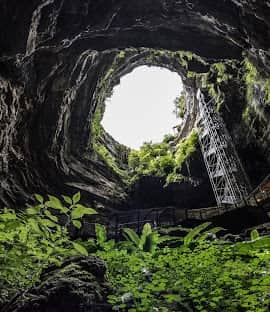
The Gouffre de Padirac is a sinkhole leading to underground galleries.
Part of the visit includes a boat journey along the subterranean river, followed by a guided walk through vast caverns filled with impressive stalactites, rock formations and underground pools.
Figeac
Figeac has a historic centre of medieval streets and stone buildings.
It was the birthplace of Jean-François Champollion, the scholar who deciphered Egyptian hieroglyphs using the Rosetta Stone. The Musée Champollion – Les Écritures du Monde explores the fascinating history of writing and languages across different civilisations.
Beyond the museum, visitors can wander through atmospheric streets, discover lively squares and enjoy the town’s cafés, restaurants and traditional market.
Causses du Quercy Regional Natural Park
Covering a substantial part of the Lot, the Causses du Quercy Regional Natural Park is recognised as a UNESCO Global Geopark.
Its distinctive landscape includes limestone plateaux, cliffs, caves, valleys, dry-stone walls and traditional rural buildings. Ancient dolmens and prehistoric sites reveal a human history stretching back thousands of years.
Cahors and the Pont Valentré
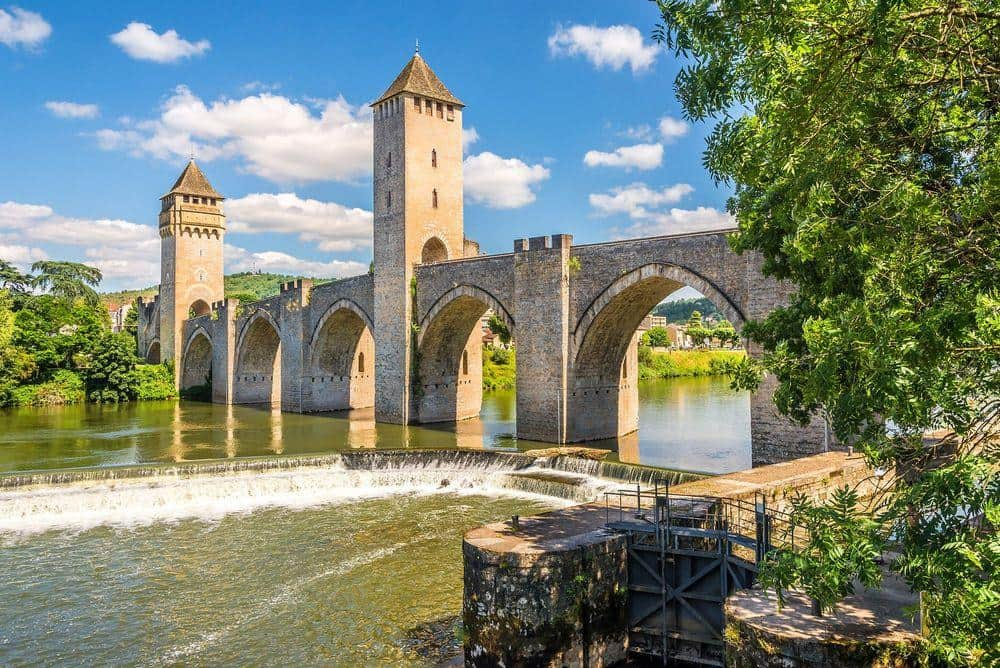
Cahors is the capital of the Lot department and a rewarding destination for history, architecture, markets and regional gastronomy.
The fourteenth-century Pont Valentré crosses the Lot with three towers and six arches.
The historic centre contains hidden gardens, timber-framed buildings and the impressive Cathédrale Saint-Étienne. Cahors is also at the heart of the local wine region and is an excellent place to discover its distinctive Malbec wines.
Château de Castelnau-Bretenoux
The Château de Castelnau-Bretenoux stands near Prudhomat.
Construction began during the 12th century, with the château developing over subsequent centuries into the imposing red-stone stronghold visible today.
Visitors can explore its defensive walls, towers, courtyards and furnished interiors while learning about the families and events that shaped its long history. Its elevated position also provides magnificent views across the surrounding countryside.
Local Markets
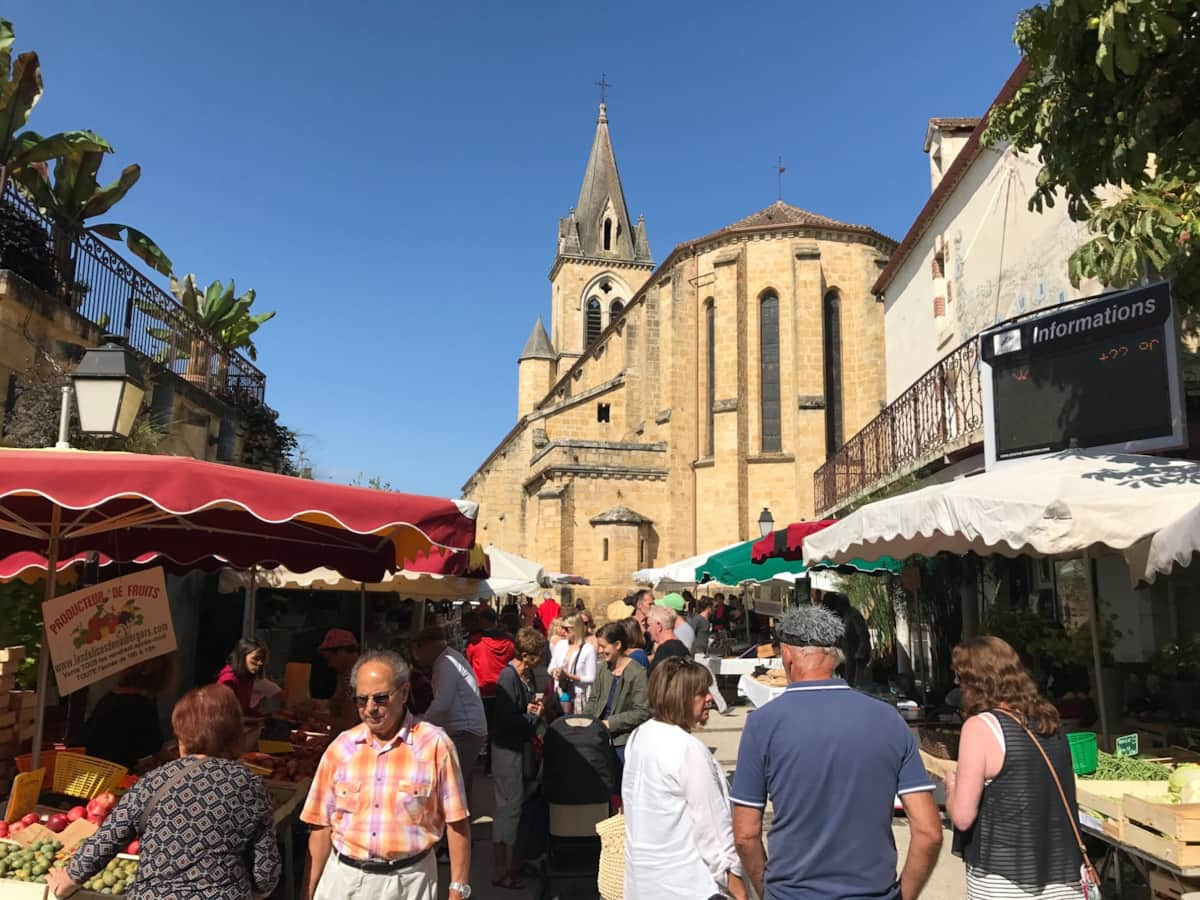
Markets are places to buy local food and seasonal produce.
Stalls are filled with seasonal fruit and vegetables, artisan cheeses, fresh bread, charcuterie, walnuts, honey, wine and handmade products. Depending on the season, visitors may also find strawberries, melons, mushrooms and locally produced truffles.
Popular markets can be found throughout the region, including Cahors, Prayssac, Puy-l’Évêque, Montcuq, Figeac and Saint-Céré.